10 Ingredients That Make Sensitive Lips Worse (and Alternatives That Work)
Raise your hand if this sounds familiar: you swipe on a new lip balm hoping for sweet relief, and an hour later your lips feel tighter, drier, or tingly in a way that is definitely not cute.
It's no secret that plenty of everyday lip products contain ingredients that can irritate sensitive lips and make things worse. That turns trying anything new into a round of lip balm roulette. You end up stuck choosing between a product that might backfire or just putting up with lips that already feel uncomfortable.
You deserve a third, better option. So grab the lip product you have on hand right now (yes, the one in your bag counts), and let's walk through 10 ingredients worth skipping and the gentle swaps that help your lips feel soft, calm, and comfortable again.
Lip skin is also very thin. That means irritating ingredients can reach the deeper layers more easily, and your lips may react faster than other areas would. When something irritating comes along, your lips are usually the first to speak up.
Some ingredients create a cooling or tingling feeling that seems soothing at first but can dry your lips out over time. When your lips feel dry again, you naturally reach for more, and the cycle keeps going, leaving you addicted to your lip balm.
The good news? Breaking this cycle usually starts with something simple: flipping over the package and reading the ingredient list.
Fragrance is also one of the most common causes of skin sensitivity and reactions. For lips that are already easily bothered, it's often the first thing worth cutting out.
Gentle alternative: Choose fragrance-free formulas. Your lips don't need to smell like a cupcake to feel cared for.
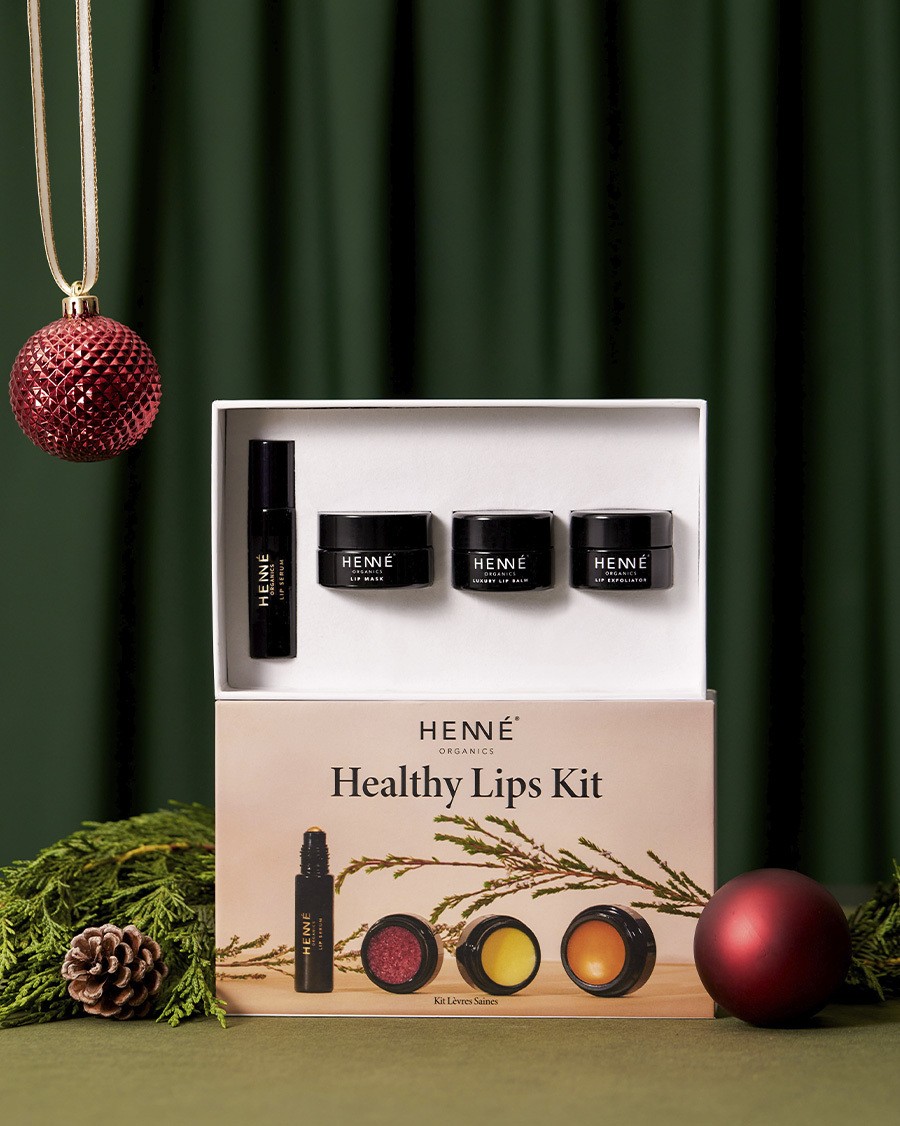
Our Luxury Lip Balm is unscented and free of essential oils, so all you'll notice is the soft, natural scent of its organic coconut oil, shea butter, and cocoa butter. It's an easy, sensitive-lip-friendly first swap.
Cinnamon oil is a frequent culprit for burning, redness, or peeling. And almost any essential oil can cause trouble when a formula simply uses too much of it. When it comes to essential oils, the dose really does make the difference.
Gentle alternative: Look for balms built on plant butters and oils, where any essential oils are gentle choices used in small amounts.
For sensitive lips, though, that cool feeling can come with irritation and a drying aftereffect, which pulls you right back into the lip balm cycle.
Gentle alternative: Calendula and colloidal oat can help calm your lips without the cooling "zing."
Gentle alternative: Shea butter helps cushion and soften cracked lips without any stinging.
Gentle alternative: For day-to-day care, a simple, rich balm is usually all you need. If you have an ongoing lip concern, it's worth asking a healthcare provider whether a medicated option makes sense for you.
Capsaicin (the compound that makes chili peppers hot), cinnamon derivatives, and similar ingredients can leave sensitive lips burning and red. That's a whole lot of ouch for a few hours of extra volume.
Gentle alternative: A small amount of peppermint oil gives lips a gentle tingle and a naturally fuller look without the burn of capsaicin. Pairing it with a nourishing balm helps your lips look smoother and softer, too.
Our Lip Mask uses just a touch of organic peppermint oil for that gentle tingle, alongside nourishing sea buckthorn and evening primrose oils. Smooth on a thick layer for a few minutes or leave it on overnight for soft, plump-looking lips.
Gentle alternative: Not every "alcohol" on a label is a bad guy. Fatty alcohols like cetyl or cetearyl alcohol are completely different. They actually help soften and condition your skin.
Gentle alternative: Remove flakes with a sugar-based scrub, then gently wipe your lips with a soft, damp cloth.
Our Lip Exfoliators are made with organic sugar and nourishing oils, so they gently buff away flakes in about 30 seconds. Follow up with your favorite balm to lock in moisture.
Gentle alternative: Beeswax and plant waxes like candelilla help protect your lips without the same allergy concerns for most people.
Gentle alternative: When you want sun protection, mineral SPF lip balms made with zinc oxide tend to be gentler on reactive lips.
A couple of small habits help too. Drink water throughout the day, and try not to lick your lips, since saliva actually leaves them drier once it evaporates. We know, we know. Easier said than done.
Now that you know which ingredients to skip and what to look for instead, you can shop with confidence instead of crossing your fingers. With a few simple swaps, soft and comfortable lips can become your everyday normal.
Shop Sensitive-Safe Lip Care
It's no secret that plenty of everyday lip products contain ingredients that can irritate sensitive lips and make things worse. That turns trying anything new into a round of lip balm roulette. You end up stuck choosing between a product that might backfire or just putting up with lips that already feel uncomfortable.
You deserve a third, better option. So grab the lip product you have on hand right now (yes, the one in your bag counts), and let's walk through 10 ingredients worth skipping and the gentle swaps that help your lips feel soft, calm, and comfortable again.
Why Sensitive Lips React the Way They Do
Before we play ingredient detective, it helps to know why your lips are so quick to complain in the first place.Lips Have a Weaker Natural Barrier
The skin on your lips is different from the skin on the rest of your face. It doesn't have oil glands, so it can't keep itself moisturized. Think of it this way: your cheeks and forehead come with a built-in moisturizer. Your lips have to bring their own.Lip skin is also very thin. That means irritating ingredients can reach the deeper layers more easily, and your lips may react faster than other areas would. When something irritating comes along, your lips are usually the first to speak up.
The "Lip Balm Cycle"
Ever notice that the more you use a certain balm, the more you seem to need it? You're not imagining it, and you're definitely not the only one.Some ingredients create a cooling or tingling feeling that seems soothing at first but can dry your lips out over time. When your lips feel dry again, you naturally reach for more, and the cycle keeps going, leaving you addicted to your lip balm.
The good news? Breaking this cycle usually starts with something simple: flipping over the package and reading the ingredient list.
10 Ingredients That Can Irritate Sensitive Lips
Consider this your cheat sheet for the next time you flip over a lip product, complete with a gentler swap for each one.1. Fragrance (Parfum)
When you see "fragrance" or "parfum" on a label, it can actually stand for a blend of many different ingredients that brands don't have to list one by one. It's basically a mystery box, and your lips didn't sign up for surprises.Fragrance is also one of the most common causes of skin sensitivity and reactions. For lips that are already easily bothered, it's often the first thing worth cutting out.
Gentle alternative: Choose fragrance-free formulas. Your lips don't need to smell like a cupcake to feel cared for.
Our Luxury Lip Balm is unscented and free of essential oils, so all you'll notice is the soft, natural scent of its organic coconut oil, shea butter, and cocoa butter. It's an easy, sensitive-lip-friendly first swap.
2. Harsh or Overused Essential Oils (Like Cinnamon)
It's easy to assume that anything natural must be gentle. But hey, poison ivy is natural too. Some essential oils can be just as irritating as synthetic fragrance.Cinnamon oil is a frequent culprit for burning, redness, or peeling. And almost any essential oil can cause trouble when a formula simply uses too much of it. When it comes to essential oils, the dose really does make the difference.
Gentle alternative: Look for balms built on plant butters and oils, where any essential oils are gentle choices used in small amounts.
3. Menthol
That icy, cooling rush can feel amazing when your lips are sore, kind of like walking into air conditioning on a hot summer day. High levels of added menthol create a strong cooling sensation that feels soothing at first.For sensitive lips, though, that cool feeling can come with irritation and a drying aftereffect, which pulls you right back into the lip balm cycle.
Gentle alternative: Calendula and colloidal oat can help calm your lips without the cooling "zing."
4. Camphor
Camphor is often added to medicated lip balms for its tingly, numbing feel. That numb feeling can trick you into thinking it's working, but numbing a problem isn't the same as fixing it. And camphor can be pretty harsh on lips that are already cracked or inflamed.Gentle alternative: Shea butter helps cushion and soften cracked lips without any stinging.
5. Phenol
Phenol shows up in some medicated balms made for severely chapped lips. It can be helpful in specific situations, but it's usually too strong for everyday use on sensitive or healthy lips. Think of it like a heavy-duty cleaner: great for the right job, but not something you'd use to wipe down your kitchen every day.Gentle alternative: For day-to-day care, a simple, rich balm is usually all you need. If you have an ongoing lip concern, it's worth asking a healthcare provider whether a medicated option makes sense for you.
6. Capsaicin and Other Plumping Agents
Ever wondered how lip plumpers actually work? Spoiler: it's not magic. Many of them mildly irritate your skin on purpose, which causes temporary swelling that makes lips look fuller.Capsaicin (the compound that makes chili peppers hot), cinnamon derivatives, and similar ingredients can leave sensitive lips burning and red. That's a whole lot of ouch for a few hours of extra volume.
Gentle alternative: A small amount of peppermint oil gives lips a gentle tingle and a naturally fuller look without the burn of capsaicin. Pairing it with a nourishing balm helps your lips look smoother and softer, too.
Our Lip Mask uses just a touch of organic peppermint oil for that gentle tingle, alongside nourishing sea buckthorn and evening primrose oils. Smooth on a thick layer for a few minutes or leave it on overnight for soft, plump-looking lips.
7. Drying Alcohols
Ingredients like alcohol denat., SD alcohol, and isopropyl alcohol can strip moisture right out of your lips. You'll most often find them in long-wear lip colors and liquid lipsticks, where they help the formula dry down quickly. Great for your lipstick's staying power, not so great for your lips.Gentle alternative: Not every "alcohol" on a label is a bad guy. Fatty alcohols like cetyl or cetearyl alcohol are completely different. They actually help soften and condition your skin.
8. Salicylic Acid and Other Exfoliating Acids
Exfoliating acids can help with flaking in some cases, but they're often too strong for sensitive lips (honestly, most lips). Use them too often and you may end up with lips that feel raw, tight, or even more likely to crack.Gentle alternative: Remove flakes with a sugar-based scrub, then gently wipe your lips with a soft, damp cloth.
Our Lip Exfoliators are made with organic sugar and nourishing oils, so they gently buff away flakes in about 30 seconds. Follow up with your favorite balm to lock in moisture.
9. Propolis
Propolis is a resin-like ingredient made by bees (some people call it "bee glue"), and it pops up in some natural lip products. It's a known allergen for some people and can cause swelling or a rash around the mouth.Gentle alternative: Beeswax and plant waxes like candelilla help protect your lips without the same allergy concerns for most people.
10. Oxybenzone (in Lip SPF)
If you use a lip product with SPF, it's worth knowing that some chemical sunscreen filters can irritate sensitive skin. Oxybenzone is one of the filters more often linked to skin reactions.Gentle alternative: When you want sun protection, mineral SPF lip balms made with zinc oxide tend to be gentler on reactive lips.
A Simple Plan for Calmer Lips
Knowing what to avoid is half the battle. First, take a breath. There's no need to toss your whole makeup bag today. Here's how to put it into practice without overhauling your entire routine.Step 1: Check Your Labels
Round up every lip product you own (yes, including the ones hiding in your car and at the bottom of your purse) and look through the ingredient lists for anything from this guide. Set aside anything that has made your lips tingle, burn, or peel in the past, even if you liked how it felt at first.Step 2: Swap in Gentle Formulas
Replace the irritating products with fragrance-free, minimal-ingredient ones. Try to introduce just one new product at a time. That way, you'll know exactly what your lips love and what they don't.Step 3: Keep Your Routine Simple
Your lips don't need a 10-step routine. Apply a nourishing balm in the morning, before you head outdoors, and before bed. If you'll be spending a long stretch in the sun, a mineral SPF lip balm is a gentle option.A couple of small habits help too. Drink water throughout the day, and try not to lick your lips, since saliva actually leaves them drier once it evaporates. We know, we know. Easier said than done.
When to See a Professional
If the irritation, swelling, or cracking doesn't get better after you've cut out the likely triggers, it's a good idea to check in with a dermatologist. They can help pinpoint specific allergies through patch testing, so you're not left guessing.Lip Care That Feels Good
Sensitive lips don't need complicated routines. They just need fewer irritants and more of the nourishing ingredients that help them feel their best.Now that you know which ingredients to skip and what to look for instead, you can shop with confidence instead of crossing your fingers. With a few simple swaps, soft and comfortable lips can become your everyday normal.
Shop Sensitive-Safe Lip Care