4 Signs That Your Beauty Products Aren't Clean
By now, you've probably read so many labels with "clean," "natural," and "pure" on them that these words have lost all meaning. Add in all the leafy green images printed on your beauty products, and it's no wonder we're all confused about what clean beauty means. We're living in an era full of clean beauty marketing gimmicks.
Let's clear up some of that confusion. Here are four signs your beauty products aren't as clean as they claim, and what you should be looking for instead.
• 100% Organic: every ingredient is organic. Can use the USDA seal.
• Organic: at least 95% organic. Can use the USDA seal.
• Made with Organic [up to three named ingredients]: at least 70% organic. Can’t use the USDA seal but can show the certifier’s logo.
• Under 70%: organic ingredients can only be listed in the ingredient list.
All three claim tiers require a USDA-accredited certifier, who inspects the whole chain from ingredient sourcing to the finished product. Unlike “clean,” “pure,” or “green,” organic is a regulated claim, and misusing it can bring penalties. That’s a lot more accountability than a leaf icon.
So if a brand talks up “organic,” check the back of the package. Every certified product in the top three tiers must say “Certified organic by…” followed by the certifier’s name. No line? Then the product isn’t certified. A vague “made with organic ingredients” that doesn’t name specific ingredients is another red flag.
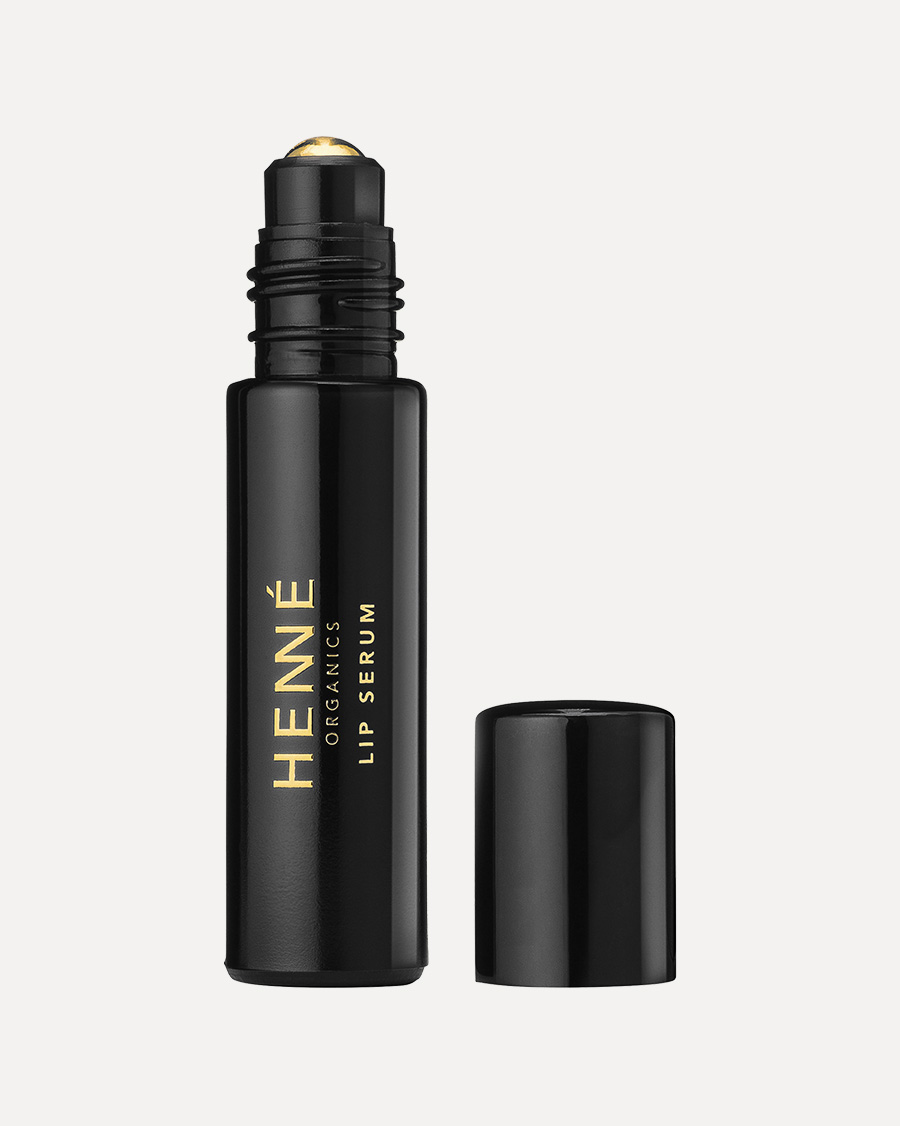
One more thing before you go hunting for 100% on every bottle, though. You can’t expect it everywhere because minerals are mined, not grown, so they can never be organic. Some plant ingredients also have no certified organic supply. Cloudberry oil, which is in our Lip Serum, is a good example. Wild-harvested plants can be certified, but no certified cloudberry oil is available to us. We’d rather keep a great ingredient and be honest on the label than drop it to chase a higher percentage.
Outsourced production also means more hands, more middlemen, and less control over what goes into each batch. It's the beauty version of a game of telephone. By the time the product reaches the end (that's you), who knows what's happened to it.
In-house production is the opposite. The brand sees every step, from formula to finished product. And a brand that makes its own products can answer your questions with confidence instead of a very long "let me get back to you."
A quick way to test this is to visit the brand's website and look for an About page that actually explains where and how the products are made. Honest brands tend to be proud and loud here. If you can't find a single sentence about who is behind the product, you've learned something without spending a dime.
Big difference.
Handcrafted production means smaller batches, closer attention, and fewer shortcuts. Mass production tends to favor speed and shelf life. Small batch work favors freshness and quality. One is built to move fast, and the other is built to be good.
You can often feel it, too. Details like consistency, texture, and scent are where the human touch shows up (or its absence).
Third-party lab testing means someone with no stake in the brand's reputation checks the results. It's kind of like having a friend proofread your email before you hit send. Slightly humbling, extremely useful.
Look for brands that openly share their testing, and treat silence on the subject as an answer.
Here at Henné, we send our products for third-party testing so we can confidently say none of them contain heavy metals such as lead, arsenic, mercury, and cadmium, even in trace amounts. We also test for PFAS through a third party, so you can feel confident there are none in any of our products.
This matters most for lip care. Lips are one of the few places where a product doesn't just sit on the skin. You lick it, you eat with it on, and you swallow a little more than you'd probably like to think about. When something goes on your lips every day, you want proof of what's in it, and proof of what isn't.
Then swap one product at a time. It's easier on your wallet, and if you have a reaction, it's much easier to pinpoint the culprit.
Trading your drugstore lip balm for our Luxury Lip Balm is a good first swap. It's made with certified organic ingredients and crafted in-house, so your lips get hydrated without toxins or unethical production practices.
Certified products, in-house production, handcrafted care, and third-party testing are simple things to ask for. And you're allowed to ask. The best brands will be happy to show you the proof.
So the next time a label promises to be "clean," flip the bottle, look for the seal, ask where it's made, and ask who tested it. Your lips and your health are that important.
Let's clear up some of that confusion. Here are four signs your beauty products aren't as clean as they claim, and what you should be looking for instead.
Sign 1: The Organic Claim Isn’t Backed by Certification
“Certified organic,” “organic,” and “made with organic lavender” can all be real claims, but only if a certification stands behind them. Under the USDA National Organic Program, the claim a product can make depends on how much of it is organic, not counting water and salt:• 100% Organic: every ingredient is organic. Can use the USDA seal.
• Organic: at least 95% organic. Can use the USDA seal.
• Made with Organic [up to three named ingredients]: at least 70% organic. Can’t use the USDA seal but can show the certifier’s logo.
• Under 70%: organic ingredients can only be listed in the ingredient list.
All three claim tiers require a USDA-accredited certifier, who inspects the whole chain from ingredient sourcing to the finished product. Unlike “clean,” “pure,” or “green,” organic is a regulated claim, and misusing it can bring penalties. That’s a lot more accountability than a leaf icon.
So if a brand talks up “organic,” check the back of the package. Every certified product in the top three tiers must say “Certified organic by…” followed by the certifier’s name. No line? Then the product isn’t certified. A vague “made with organic ingredients” that doesn’t name specific ingredients is another red flag.
One more thing before you go hunting for 100% on every bottle, though. You can’t expect it everywhere because minerals are mined, not grown, so they can never be organic. Some plant ingredients also have no certified organic supply. Cloudberry oil, which is in our Lip Serum, is a good example. Wild-harvested plants can be certified, but no certified cloudberry oil is available to us. We’d rather keep a great ingredient and be honest on the label than drop it to chase a higher percentage.
Sign 2: Production Happens Somewhere Mysterious
Where was your lip balm made, and by whom? If the brand gets vague, that's your first clue. Mystery production can mean sweatshops, ecological harm, and other nefarious practices. Not exactly the vibe you want on your lips (or your conscience).Outsourced production also means more hands, more middlemen, and less control over what goes into each batch. It's the beauty version of a game of telephone. By the time the product reaches the end (that's you), who knows what's happened to it.
In-house production is the opposite. The brand sees every step, from formula to finished product. And a brand that makes its own products can answer your questions with confidence instead of a very long "let me get back to you."
A quick way to test this is to visit the brand's website and look for an About page that actually explains where and how the products are made. Honest brands tend to be proud and loud here. If you can't find a single sentence about who is behind the product, you've learned something without spending a dime.
Sign 3: Nothing About It Feels Handcrafted
Picture a factory line pumping out ten thousand identical tubes an hour. Now picture someone carefully pouring your balm in a small batch.Big difference.
Handcrafted production means smaller batches, closer attention, and fewer shortcuts. Mass production tends to favor speed and shelf life. Small batch work favors freshness and quality. One is built to move fast, and the other is built to be good.
You can often feel it, too. Details like consistency, texture, and scent are where the human touch shows up (or its absence).
Sign 4: No One Is Double-Checking the Brand's Work
Any brand can say its products are safe. Far fewer hand them to an independent lab to prove it.Third-party lab testing means someone with no stake in the brand's reputation checks the results. It's kind of like having a friend proofread your email before you hit send. Slightly humbling, extremely useful.
Look for brands that openly share their testing, and treat silence on the subject as an answer.
Here at Henné, we send our products for third-party testing so we can confidently say none of them contain heavy metals such as lead, arsenic, mercury, and cadmium, even in trace amounts. We also test for PFAS through a third party, so you can feel confident there are none in any of our products.
This matters most for lip care. Lips are one of the few places where a product doesn't just sit on the skin. You lick it, you eat with it on, and you swallow a little more than you'd probably like to think about. When something goes on your lips every day, you want proof of what's in it, and proof of what isn't.
What to Do If You Spotted a Few Signs
First, breathe. You don't necessarily need to throw out your whole beauty cabinet. Start by identifying which products have questionable ingredients, then replace the ones that touch your skin most, like lip care, moisturizer, and anything you use daily. Not sure what to look for? Our guide to 5 toxic ingredients hiding in your beauty products and what to use instead is a great place to begin.Then swap one product at a time. It's easier on your wallet, and if you have a reaction, it's much easier to pinpoint the culprit.
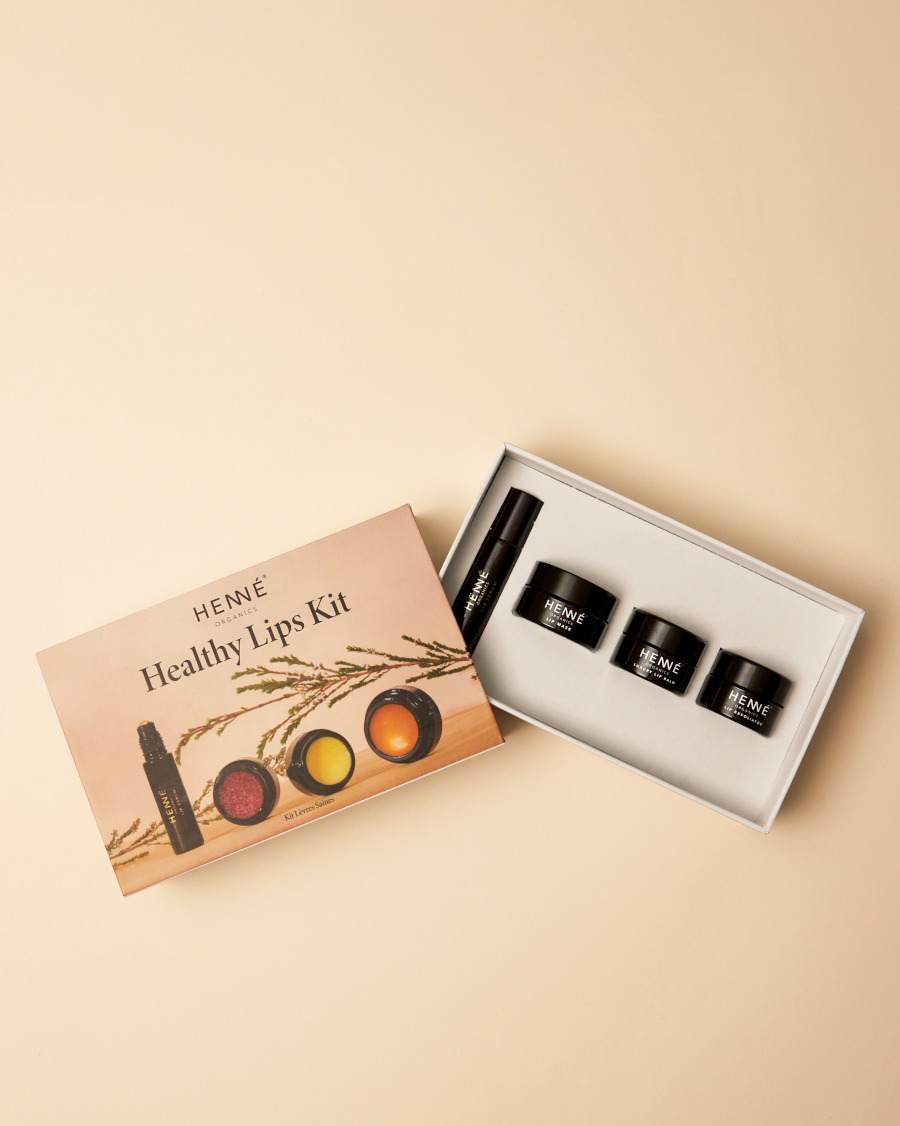
Trading your drugstore lip balm for our Luxury Lip Balm is a good first swap. It's made with certified organic ingredients and crafted in-house, so your lips get hydrated without toxins or unethical production practices.
Clean Beauty Shouldn't Be a Mystery
Clean beauty shouldn't require a detective badge and a magnifying glass.Certified products, in-house production, handcrafted care, and third-party testing are simple things to ask for. And you're allowed to ask. The best brands will be happy to show you the proof.
So the next time a label promises to be "clean," flip the bottle, look for the seal, ask where it's made, and ask who tested it. Your lips and your health are that important.