Ingredients That Age Your Lips
Figuring out what feels good on your lips, what isn't going to harm them, and what actually works feels like a never-ending trial-and-error science experiment (just trade out the beakers for lip balm tubes). And it turns out, some of the products you're using to make your lips look better might actually be aging them instead.
Don’t get duped by sneaky chemicals that feel effective but end up doing more harm. We're breaking down those ingredients that speed up lip aging, so you’ll have the inside knowledge to know what to reach for instead.
Most lip plumpers rely on capsaicin (yes, the stuff that makes chili peppers spicy) or bee venom to get the job done. That tingly, plumped-up feeling that makes you think it's working? That's not your lips getting healthier. It's a mild irritation response, and it leaves your lips inflamed and dehydrated in the process.
Do that often enough and repeated irritation starts breaking down your skin barrier over time, which leads to more fine lines and thinner lips. So, the very thing you're using to make your lips look fuller (and younger) ends up working against you.
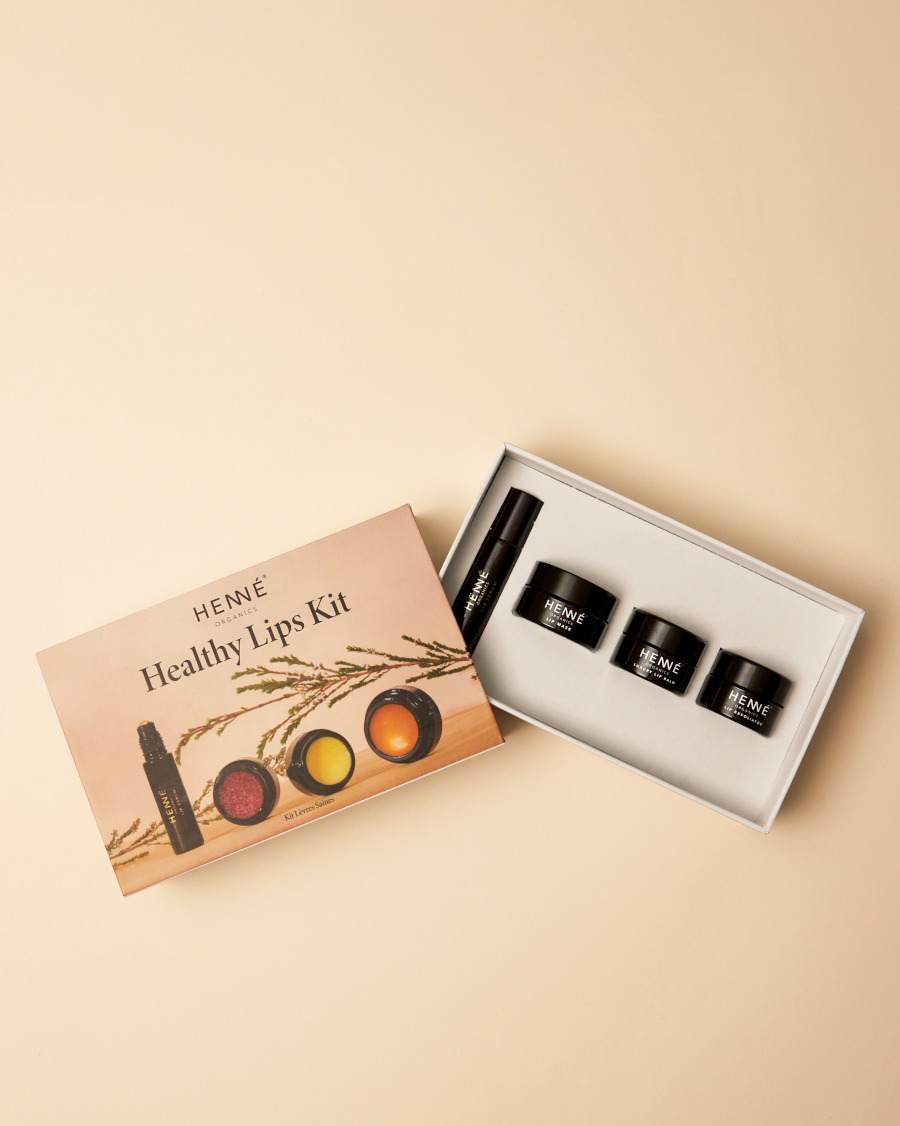
The good news is you don't have to give up the tingle entirely. Opt for gentler ingredients like menthol, which still stimulates your lips without the irritation that comes with capsaicin or bee venom. Need a product rec? Our Lip Mask is the perfect, natural substitute, using peppermint oil to give you that awake, refreshed feeling without any of the inflammation.
Chemical exfoliants typically rely on acids like glycolic acid and salicylic acid, ingredients that work wonders on your face but are simply too much for your lips. Lip skin is far thinner and far more reactive, and these acids end up stripping away the very barrier that's supposed to be locking moisture in. The result is lips that are chronically dry and even more prone to fine lines, which is the opposite of what you were going for.
Skip the acids and reach for a fine, sugar-based scrub instead, one made to buff away dry skin without inflaming what's underneath. Our Lip Exfoliator does exactly this, polishing lips smooth with organic sugar rather than chemical intervention.
Mineral SPF is the better bet. Zinc oxide (what mineral sunscreen typically uses) sits on top of the skin and reflects UV rays instead of absorbing them, which is a much gentler mechanism for delicate lip tissue. Same protection, none of the drama.
Stripped lips don't just sit there and take it, though. They overcompensate by losing elasticity faster, and that's exactly when fine lines start creeping in. Look for a formula that skips these ingredients entirely in favor of nourishing plant oils—the kind that hydrate instead of hollowing you out.
Don’t get duped by sneaky chemicals that feel effective but end up doing more harm. We're breaking down those ingredients that speed up lip aging, so you’ll have the inside knowledge to know what to reach for instead.
Lip Plumpers: Capsaicin and Bee Venom
Lip plumpers are a classic. They promise that model-esque, just-got-filler pout in about thirty seconds flat, and to be fair, they deliver. The problem is what's causing that plump to happen.Most lip plumpers rely on capsaicin (yes, the stuff that makes chili peppers spicy) or bee venom to get the job done. That tingly, plumped-up feeling that makes you think it's working? That's not your lips getting healthier. It's a mild irritation response, and it leaves your lips inflamed and dehydrated in the process.
Do that often enough and repeated irritation starts breaking down your skin barrier over time, which leads to more fine lines and thinner lips. So, the very thing you're using to make your lips look fuller (and younger) ends up working against you.
The good news is you don't have to give up the tingle entirely. Opt for gentler ingredients like menthol, which still stimulates your lips without the irritation that comes with capsaicin or bee venom. Need a product rec? Our Lip Mask is the perfect, natural substitute, using peppermint oil to give you that awake, refreshed feeling without any of the inflammation.
Chemical Exfoliants: AHAs and BHAs
We all know exfoliating your lips is great. It clears away dead skin and lets your lip balm absorb instead of trying (and failing!) to soften unrevivable skin. But chemical exfoliants are never the way to get there.Chemical exfoliants typically rely on acids like glycolic acid and salicylic acid, ingredients that work wonders on your face but are simply too much for your lips. Lip skin is far thinner and far more reactive, and these acids end up stripping away the very barrier that's supposed to be locking moisture in. The result is lips that are chronically dry and even more prone to fine lines, which is the opposite of what you were going for.
Skip the acids and reach for a fine, sugar-based scrub instead, one made to buff away dry skin without inflaming what's underneath. Our Lip Exfoliator does exactly this, polishing lips smooth with organic sugar rather than chemical intervention.
Chemical Sunscreens: Oxybenzone, Octinoxate, and Friends
Chemical sunscreens work by absorbing UV rays rather than blocking them, using ingredients like oxybenzone and octinoxate. Sounds simple enough, except that absorbing isn't quite as contained as it sounds. Research has found that these chemicals don't just sit on the surface and do their job, but they also make their way into your bloodstream. And on skin as thin and delicate as your lips, they're also more likely to cause irritation.Mineral SPF is the better bet. Zinc oxide (what mineral sunscreen typically uses) sits on top of the skin and reflects UV rays instead of absorbing them, which is a much gentler mechanism for delicate lip tissue. Same protection, none of the drama.
Drying Alcohols and Synthetic Fragrance
Ingredients like alcohol and synthetic fragrance show up in a lot of lip products because they feel light and smell nice on the first swipe. But they're also notorious for stripping natural oils right off your lips.Stripped lips don't just sit there and take it, though. They overcompensate by losing elasticity faster, and that's exactly when fine lines start creeping in. Look for a formula that skips these ingredients entirely in favor of nourishing plant oils—the kind that hydrate instead of hollowing you out.