5 Toxic Ingredients Hiding in Your Beauty Products and What to Use Instead
What if some of the most common ingredients in your daily beauty routine aren't as “clean” as they seem? The truth is, many conventional (and even some “clean-labeled”) beauty products contain ingredients linked to irritation, hormone disruption, or long-term health concerns. And when it comes to lip products, the stakes are even higher, because what goes on your lips often inevitably ends up in your body.
Let’s break down five of the most concerning ingredients and what to look for instead.
Why they’re concerning:
• They don’t break down in the environment or your body
• Linked to increased cholesterol levels
• Associated with certain cancers and immune system effects
Where they hide: Long-wear lipsticks, foundations, mascaras, and products labeled “waterproof” or “transfer-proof.”
What to look for instead: Formulas that rely on natural waxes and oils for texture and staying power.
Why they’re concerning:
• Can mimic estrogen in the body
• May disrupt hormone balance over time
Where they hide: Moisturizers, lip balms, foundations, and almost any product with a long shelf life.
What to look for instead: Naturally derived preservatives or antioxidant-rich oils like vitamin E (tocopherol).
Why they’re concerning:
• Known endocrine disruptors
• Linked to reproductive and developmental concerns
• Increases risk of cancer
Where they hide: Often undisclosed under the label “fragrance” or “parfum.”
What to look for instead: Fragrance-free products or those scented with essential oils.
Why it’s concerning:
• Classified as a human carcinogen
• Can cause skin irritation and allergic reactions
Where it hides: Some cleansers, nail products, and even certain creams and lotions.
What to look for instead: Clean formulations that avoid formaldehyde and its releasers entirely.
Why this matters:
• Lead is a heavy metal that can accumulate in the body over time
• Even small, repeated exposure adds up, especially with daily lip product use
• The average person unintentionally ingests lipstick throughout the day
The reality: Multiple independent tests over the years have shown that many popular lipstick brands contain detectable levels of lead.
That’s why:
• We do not allow any trace amounts of lead in our products.
• We conduct rigorous third-party testing to verify purity.
• We carefully source ingredients to avoid contamination at every stage.
Because when it comes to products you apply (and may end up ingesting) daily, even “trace amounts” matter.
Shop Clean Lip Care
Let’s break down five of the most concerning ingredients and what to look for instead.
1. Per- and Polyfluoroalkyl Substances (PFAS)
Often called “forever chemicals,” per- and polyfluoroalkyl substances are used to create long-lasting, waterproof, and smooth textures in cosmetics.Why they’re concerning:
• They don’t break down in the environment or your body
• Linked to increased cholesterol levels
• Associated with certain cancers and immune system effects
Where they hide: Long-wear lipsticks, foundations, mascaras, and products labeled “waterproof” or “transfer-proof.”
What to look for instead: Formulas that rely on natural waxes and oils for texture and staying power.
2. Parabens
Parabens are widely used preservatives that extend shelf life by preventing microbial growth.Why they’re concerning:
• Can mimic estrogen in the body
• May disrupt hormone balance over time
Where they hide: Moisturizers, lip balms, foundations, and almost any product with a long shelf life.
What to look for instead: Naturally derived preservatives or antioxidant-rich oils like vitamin E (tocopherol).
3. Phthalates
Phthalates are commonly used to make products more flexible and help fragrances last longer.Why they’re concerning:
• Known endocrine disruptors
• Linked to reproductive and developmental concerns
• Increases risk of cancer
Where they hide: Often undisclosed under the label “fragrance” or “parfum.”
What to look for instead: Fragrance-free products or those scented with essential oils.
4. Formaldehyde (and Formaldehyde-Releasing Preservatives)
Formaldehyde is a known carcinogen that can still appear in cosmetics either directly or through preservatives that release it over time.Why it’s concerning:
• Classified as a human carcinogen
• Can cause skin irritation and allergic reactions
Where it hides: Some cleansers, nail products, and even certain creams and lotions.
What to look for instead: Clean formulations that avoid formaldehyde and its releasers entirely.
5. Lead: The Sneakiest and Most Overlooked
Here’s the one most people don’t expect: Lead. Lead is not intentionally added to lipsticks, but trace amounts have been found in the vast majority of conventional lipsticks due to contamination in raw materials like pigments.Why this matters:
• Lead is a heavy metal that can accumulate in the body over time
• Even small, repeated exposure adds up, especially with daily lip product use
• The average person unintentionally ingests lipstick throughout the day
The reality: Multiple independent tests over the years have shown that many popular lipstick brands contain detectable levels of lead.
What Makes Henné Different
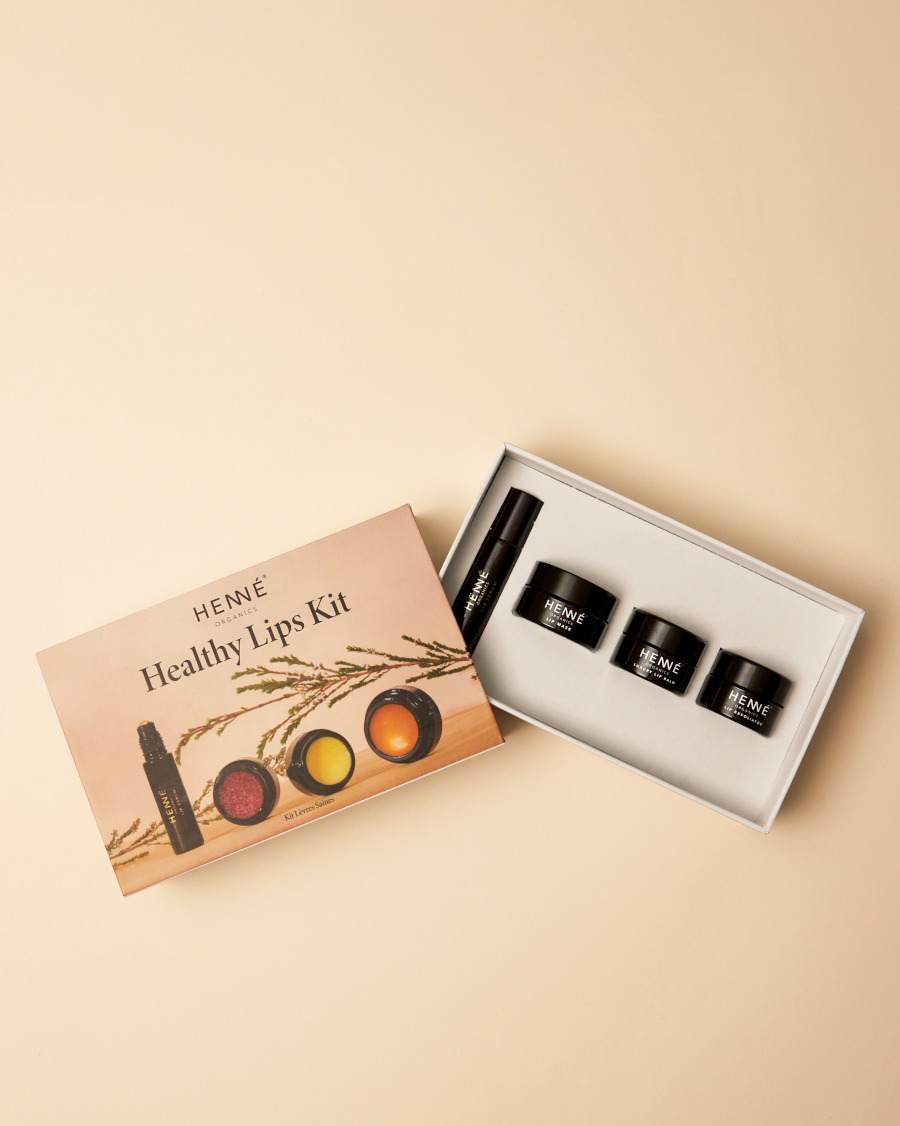
At Henné, we believe “clean” should mean truly safe, transparent, and uncompromising.That’s why:
• We do not allow any trace amounts of lead in our products.
• We conduct rigorous third-party testing to verify purity.
• We carefully source ingredients to avoid contamination at every stage.
Because when it comes to products you apply (and may end up ingesting) daily, even “trace amounts” matter.
The Bottom Line
Not all beauty products are created equal and not all “clean” claims are backed by real standards. By learning what to avoid (and what to look for), you can make smarter choices for your health without sacrificing performance or luxury. And when it comes to your lips, the cleanest choice is also the most beautiful one.Ready To Make the Switch?
Your lips deserve better, and once you experience truly clean lip care, you’ll never go back.Shop Clean Lip Care